

Newsroom
Social science data collection gets underway in Uganda
Following the workshops in Côte d'Ivoire and Kenya in February and March 2022, the social science data collection in Uganda was successfully launched earlier this month through a two-day workshop at Makerere University in Kampala. Data collection in the three sub-Saharan countries is part of the social science study of the Pediatric Praziquantel Consortium ADOPT program, launched in early 2021.
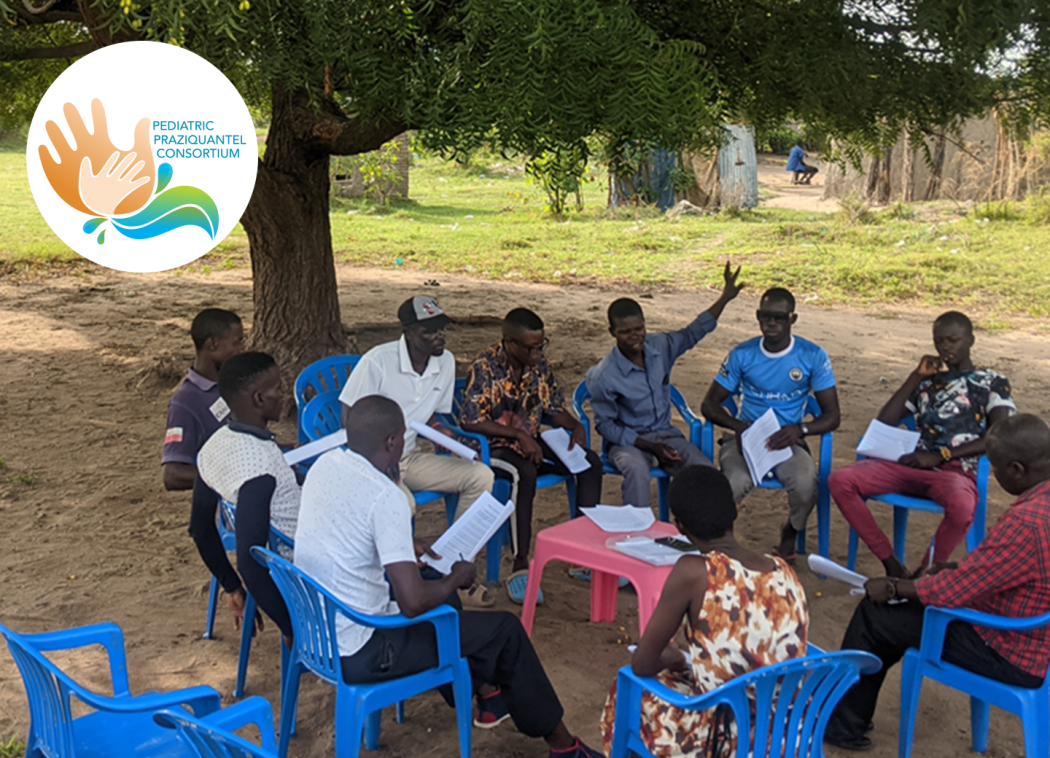
Makerere University hosted the workshop on 6 and 7 June under the leadership of Professor Stella Neema from the department of Sociology and Anthropology at the University’s School of Social Sciences. Professor Neema acts as the principal investigator of the ADOPT program’s social science study in Uganda. Also present were Professor Fred Nuwaha from the Makerere University School of Public Health, Prudence Beinamaryo from the Vector Control Department of the Ugandan Ministry of Health, as well as members of the Consortium Access team from the Technical University of Munich (TUM), and local research assistants.
The workshop included (1) an overview of the burden of schistosomiasis, (2) preparation for fieldwork in the two districts of Hoima (along Lake Albert) and Bugiri (on the shores of Lake Victoria), which are both heavily affected by schistosomiasis, and (3) refinement of the data collection instruments together with the research assistants as part of their training. Following the workshop, the TUM members traveled together with the research teams to the study sites.
The teams are currently conducting key informant interviews and focus group discussions as well as collecting information through household surveys to investigate the knowledge, perceptions, and attitudes towards schistosomiasis in the local communities and among the various key stakeholders. In addition, attention is being given to assessing the local acceptance of the Consortium’s potential new treatment option for children 6 years of age and younger infected with schistosomiasis. The aim is to uncover the potential facilitators and barriers of implementation to help inform the Ministry of Health's implementation and community mobilization activities for drug distribution.