

134
Results found
-
Japan’s GHIT Fund continues investment into pediatric praziquantel formulation
The Japanese Global Health Innovative Technology (GHIT) Fund announced that it will continue to support the Pediatric Praziquantel Consortium with an additional US$4.7 million. -

News Digest - Summer 2017
The News Digest provides you with compelling stories about neglected diseases published since the release of our previous newsletter in November 2016. -
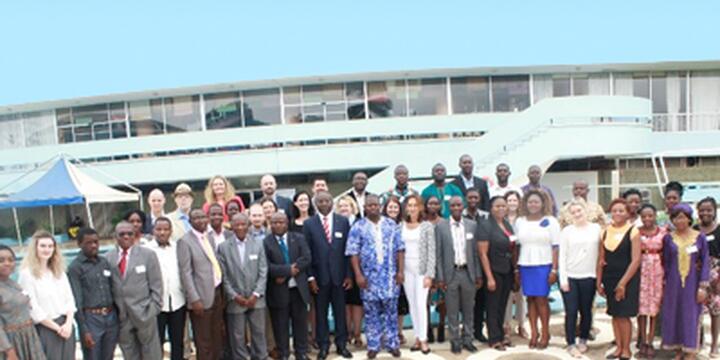
Pediatric Praziquantel Consortium engages with the schistosomiasis community
Over the last few years, members from the Pediatric Praziquantel (PZQ) Consortium have continued to play a predominant role at international conferences on Neglected Tropical Diseases (NTDs). They are fostering awareness of the pediatric PZQ formulation, and engaging in dialogue with the NTD and with schistosomiasis communities. -
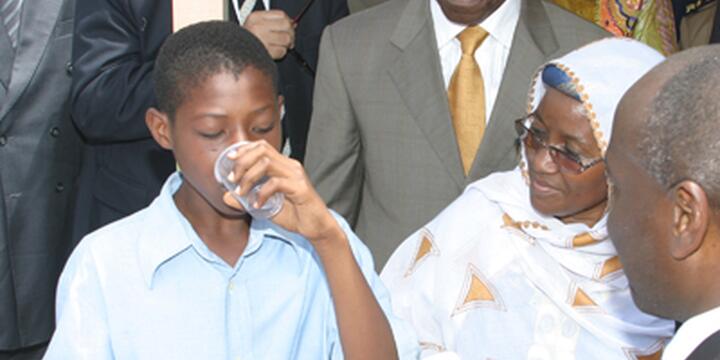
Spotlight on Cameroon’s war on worms
Kindly contributed by Louis-Albert Tchuem Tchuenté, Professor of Parasitology at the University of Yaoundé and Coordinator of the National Programme for the Control of Schistosomiasis and Intestinal Helminthiasis in Cameroon. -

Congratulations to GHIT Fund on securing over US$200 Million to its replenishment
The Global Health Innovative Technology Fund (GHIT Fund), which financially supports the Pediatric Praziquantel Consortium, announced last week that it has secured commitments of over US$200 million to its replenishment for its next phase of work. -

Pediatric Praziquantel Consortium awarded US$4.7 million GHIT grant
On 30 Mar 2017, the GHIT Fund announced that it will continue to support the Pediatric Praziquantel Consortium. -

PLOS NTD highlights crucial role for expert meetings in NTD product development programs
Pediatric Praziquantel Consortium shares its experience with organizing expert meetings -

Attention for PEDPZQ Consortium in German newspapers
On October 19, Merck KGaA, Darmstadt, Germany announced the donation to the World Health Organization (WHO) of the 500 millionth tablets to treat schistosomiasis in African countries. In particular, members from Consortium partners, Merck KGaA (Darmstadt, Germany) and SCI (Schistosomiasis Control Initiative, UK) together with representatives from WHO (World Health Organization) and the Mi -

From the Program Lead: Team effort makes the difference
Reviewing the different accomplishments in the last half year fulfils me with a true sense of pride for our team. It is the combined effort from all the Consortium partners that is making the difference. -
It’s all about access
The UK-based Schistosomiasis Control Initiative (SCI), part of Imperial College London, joined the Pediatric Praziquantel Consortium in 2016, to support the next phase in the development of the Con -

News Digest
The News Digest provides you with compelling stories about neglected diseases, published since the release of our previous newsletter in January 2016. -
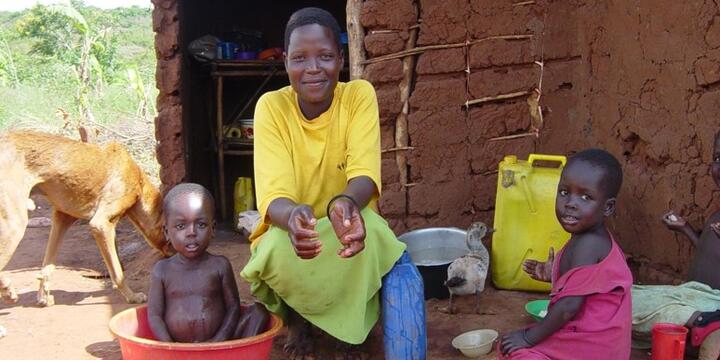
Schistosomiasis in Côte d’Ivoire: An interview with Prof. Dr. Eliézer K. N’GORAN
The Pediatric Praziquantel Consortium has initiated the Phase II clinical trial in Côte d’Ivoire, in Schistosoma mansoni-infected preschool-age children. Prof. Dr. Eliézer K. N’GORAN from the University Félix Houphouët-Boigny (Abidjan, Côte d’Ivoire) is the Principal Investigator of this study. We asked him three questions about schistosomiasis in his country. -
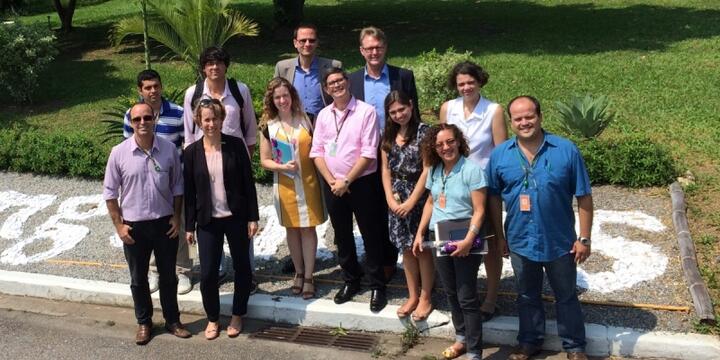
Think and Talk Together/ Pensar e Falar Junto
Exciting days in Rio with the extended drug product subteam The year of the Rio de Janeiro Olympics also sees some important milestones for the Pediatric Praziquantel CMC team. The manufacturing process for orally disintegrating levo-Praziquantel tablets (L-PZQ ODTs) is now being geared-up for pivotal clinical studies. -

Schistosomiasis Control Initiative and Pediatric Praziquantel Consortium join forces in the fight against schistosomiasis
Goal is to make a child-friendly treatment for schistosomiasis accessible to children under six years of age in endemic countries -
First patient dosed in Phase II clinical trial
Today, the Pediatric Praziquantel Consortium announced that the first patient in a Phase II pediatric clinical trial being conducted in the Ivory Coast has been dosed.